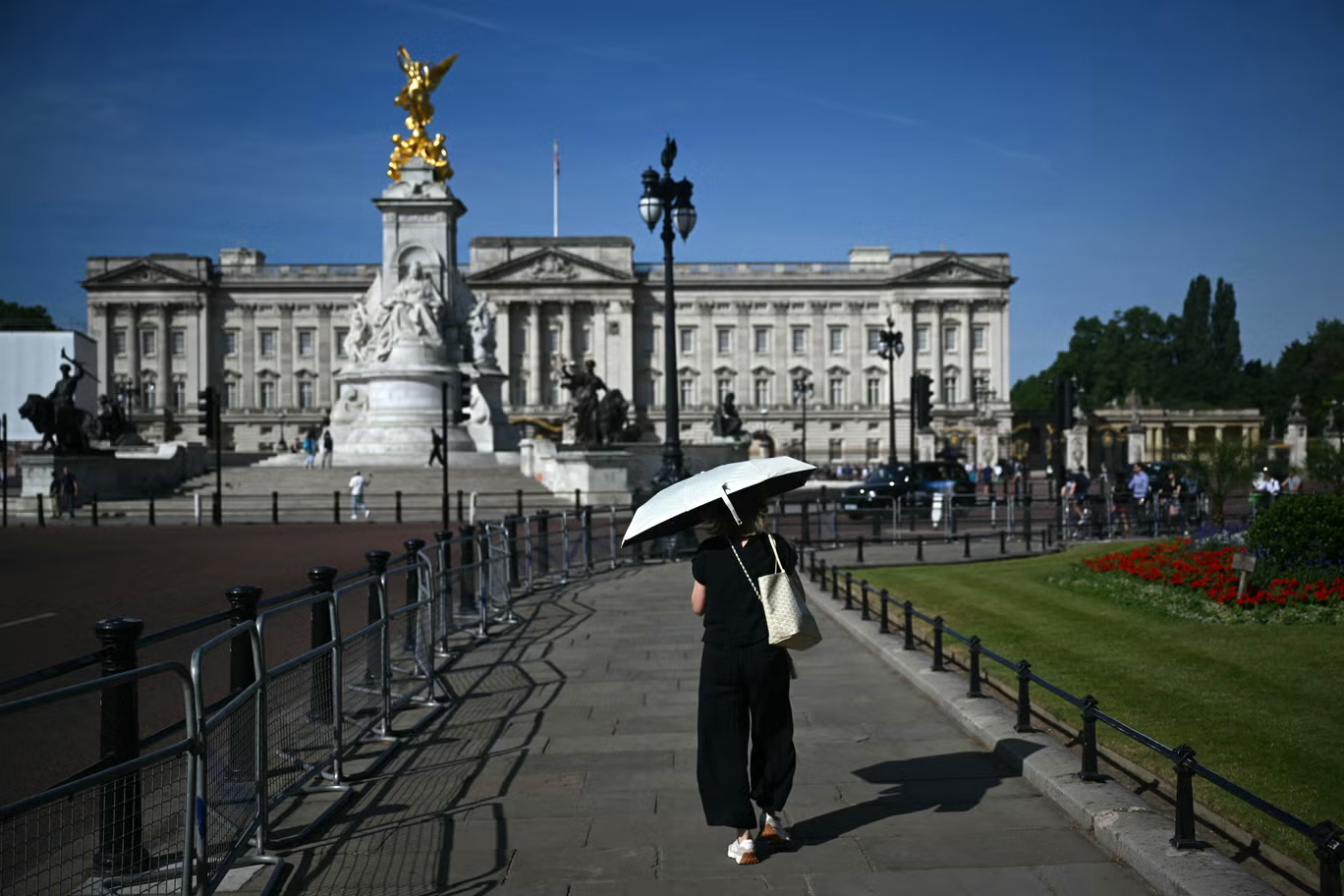
DGR News – The United Kingdom is preparing for its fourth heatwave of the summer, with temperatures forecast to climb sharply across southern parts of the country just days after a brief spell of cooler weather and scattered rainfall.
Meteorologists say the latest burst of hot weather will arrive during the middle of the week, bringing temperatures above 32°C in some areas before conditions gradually return to seasonal averages toward the weekend.
The changing weather pattern follows a weekend that saw many parts of the UK experience lower temperatures and light rainfall, offering temporary relief after weeks of persistent heat and exceptionally dry conditions.
Temperatures Expected to Rise Again
According to weather forecasts, southern England is expected to experience the most significant increase in temperatures.
Forecasters predict that several areas could record daytime highs of 32°C to 33°C by Wednesday, meeting the official criteria used to classify a heatwave in those regions.
Additional parts of England are expected to reach heatwave thresholds on Thursday as warm air spreads across the south and east of the country.
However, unlike previous nationwide hot spells, this week’s weather is expected to produce a clear contrast between northern and southern regions.
North and South to Experience Different Weather
Weather experts describe the coming days as a classic north-south weather split.
While southern England experiences sunshine and soaring temperatures, much of Scotland, Northern Ireland and northern England is expected to remain cooler, with cloudy skies, occasional showers and outbreaks of rain.
The contrasting conditions reflect shifting atmospheric patterns that continue to influence weather across the British Isles.
Meteorologists say residents in northern areas are unlikely to experience the same level of extreme heat forecast for southern parts of the country.
Heatwave Expected to Be Short-Lived
Despite the return of high temperatures, forecasters believe the latest heatwave will not last as long as earlier episodes experienced this summer.
Current projections indicate that temperatures will begin falling again by the end of the week, with much of the UK returning to conditions closer to seasonal averages.
Weather officials say the cooler air should provide some relief after one of the warmest and driest Julys in recent years.
July Among the Hottest on Record
Preliminary weather data suggests that July 2026 could rank among the three or four warmest Julys ever recorded across the United Kingdom.
Average temperatures during the month were approximately 3°C above the long-term seasonal average, highlighting the unusual intensity of this summer’s heat.
Climate specialists say the persistent warmth has been accompanied by exceptionally low rainfall across large parts of the country.
Severe Rainfall Deficit Continues
The prolonged dry weather has left many regions facing significant rainfall shortages.
Weather data indicates that southern England received only about one percent of its average July rainfall, while England as a whole recorded around five percent of its normal monthly rainfall.
Across the entire United Kingdom, rainfall reached only about 20 percent of the long-term average during the month.
Although showers over the weekend brought some moisture to parts of the country, meteorologists say the rainfall was insufficient to reverse weeks of dry conditions.
The continuing rainfall deficit has increased pressure on vegetation, farmland and natural ecosystems already affected by prolonged heat.
Wildfire Risk Remains Elevated
Authorities are also warning that the return of hot and dry weather is likely to increase the risk of wildfires in several parts of England.
Experts note that vegetation remains extremely dry despite recent rainfall, meaning even small fires could spread rapidly under the expected weather conditions.
Forecasts indicate that parts of eastern, south-eastern and southern England could experience an exceptionally severe fire risk during the week.
The highest threat is expected to expand across wider areas on Wednesday before becoming more concentrated in eastern and south-eastern England on Thursday.
Emergency planners continue to monitor conditions closely as the combination of high temperatures, low humidity and dry vegetation creates favourable conditions for fast-moving fires.
Fire Severity Index Closely Monitored
Emergency services rely on the Fire Severity Index to assess how dangerous a wildfire could become if one starts.
The index analyses several environmental factors, including rainfall, temperature, humidity and vegetation dryness, to estimate how severe fires may become.
Officials stress that the system measures the potential intensity of fires rather than predicting whether a wildfire will occur.
Lower humidity expected during the upcoming heatwave is likely to increase fire intensity compared with previous hot spells that were accompanied by more moisture in the atmosphere.
Firefighters Already Under Pressure
The renewed wildfire warning comes after emergency crews spent several days battling significant fires in parts of Scotland and Wales, where some residents were forced to leave their homes as flames spread through dry vegetation.
Fire services have continued urging members of the public to avoid activities that could accidentally ignite fires, particularly in forests, grasslands and other rural areas vulnerable to extreme heat.
Authorities are also encouraging people to dispose of cigarettes responsibly, avoid lighting barbecues in prohibited areas and report signs of fire immediately.
Health Advice During Hot Weather
Health officials are reminding residents, particularly older adults, young children and people with existing medical conditions, to take extra precautions during periods of extreme heat.
Experts recommend drinking plenty of water, limiting strenuous outdoor activities during the hottest hours of the day and staying in cool or shaded environments whenever possible.
People are also advised to check on elderly relatives, neighbours and vulnerable members of their communities who may be more susceptible to heat-related illnesses.
Motorists travelling during the heatwave are encouraged to ensure vehicles are in good condition, carry drinking water and remain alert to changing road conditions caused by high temperatures.
Looking Ahead
Although forecasts suggest the fourth heatwave will be relatively brief, its arrival further highlights what has been an unusually hot and dry summer across the United Kingdom.
The repeated periods of extreme temperatures have increased concerns over water shortages, pressure on agriculture and the growing threat of wildfires in vulnerable regions.
Meteorologists say weather conditions will continue to be monitored closely over the coming days, with updated forecasts expected as the heatwave develops.
For now, residents in southern England are being advised to prepare for another spell of intense summer heat, while communities elsewhere in the UK are expected to experience more moderate conditions before cooler weather becomes more widespread later in the week.


